


- Select City


Share:



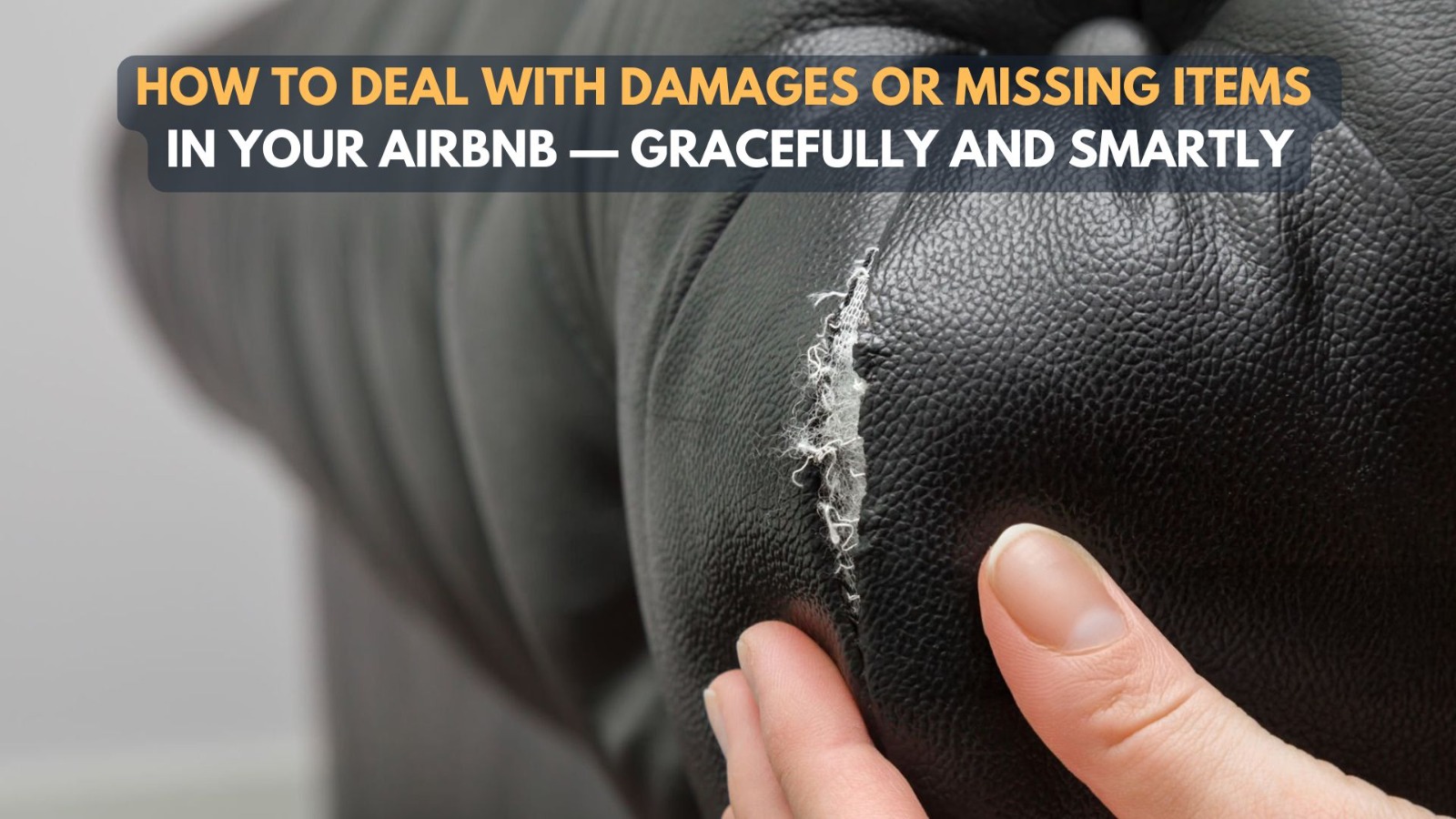
Every Airbnb host, no matter how careful, will face it at least once a broken vase, missing towel, or worse, damaged furniture.
It’s one of the less glamorous parts of hosting, and yet, how you handle these moments determines whether you’ll build a reputation as a calm, professional host or a stressed-out one ready to quit the platform.
The key isn’t to avoid damage it’s to manage it gracefully and smartly. Here’s how you can protect your Airbnb in Bangalore and handle any post-stay surprises like a pro.
Also, Check out our 4bhk Independent Duplex Villa available in JP Nagar.



1. Prevention Is Always the Best Protection
The best way to handle damage is to make sure it’s less likely to happen in the first place. While accidents are inevitable, you can significantly reduce risks through preparation and planning.
Set Clear Expectations Upfront
Be upfront in your house rules. Mention what’s allowed, what’s not, and what guests should do if something breaks.
For example:
“Please report any damage immediately, we appreciate honesty.”
“No smoking inside the property.”
“No rearranging furniture or décor.”
When guests know you take your property seriously, they’re less likely to treat it carelessly.
Use Durable, Easy-to-Maintain Furnishings
Not every Airbnb needs designer décor. Instead, invest in sturdy, functional pieces that can handle wear and tear.
This is where Guarented Homes helps, we provide durable, fully furnished interiors designed specifically for rentals, making replacements quick and affordable.
Document Everything Before Check-In
Always click detailed photos or short videos of your property before every guest arrives. Focus on furniture, electronics, and appliances.
These visuals will be your proof if something goes wrong later.
2. Do a Post-Checkout Inspection Every Time
It’s tempting to skip inspection when you have back-to-back bookings, but this step is crucial. Ideally, do it within two hours of checkout, before cleaners start their work.
What to Look For:
Cracked glassware, chipped dishes, or stains on linens.
Broken appliances, missing remotes, or loose fittings.
Moved or damaged furniture.
Unusual smells, cigarette burns, or pet hair (if pets weren’t allowed).
Even minor damages can add up over time catching them early prevents future disputes or guest complaints.
3. Document and Communicate Professionally
If you find damage or missing items, don’t panic and definitely don’t jump straight into confrontation.
Start with calm, professional documentation.
Step 1: Take Clear Photos or Videos
Capture multiple angles and close-ups of the damage. Include a timestamp if possible.
Step 2: Compare With Pre-Check-In Photos
This shows the item’s original condition and makes your claim stronger.
Step 3: Message the Guest Politely
Here’s an example:
“Hi [Guest’s Name], hope you had a comfortable stay! During our post-checkout inspection, we noticed [describe damage]. Could you please confirm if you noticed this during your stay? Just checking before I raise a claim with Airbnb.”
This calm tone often encourages guests to admit responsibility many will even offer to compensate directly.
4. File a Claim the Right Way
If the guest doesn’t respond or denies responsibility, don’t worry, Airbnb has your back.
You can file a damage claim through Airbnb’s Resolution Center within 14 days of checkout (or before the next guest checks in).
What You’ll Need:
Photos or videos of the damage.
Screenshots of communication with the guest.
Receipts or estimates for repair/replacement costs.
Airbnb will review your case, contact the guest, and decide on reimbursement. If both sides can’t agree, the Airbnb Host Guarantee can cover eligible damages up to a certain limit.
5. Be Realistic About What Counts as “Normal Wear and Tear”
Not every scratch or stain deserves a claim. Airbnb expects hosts to account for normal usage over time.
For instance:
Minor scuffs on walls
Slightly worn bedsheets
Loose bathroom tiles or faded curtains
These are part of regular maintenance. Save your energy for real damages broken furniture, burnt appliances, or missing items.
6. Keep Calm, Not Confrontational
When something breaks, emotions can run high especially if the guest is uncooperative. But remember: professionalism wins every time.
Instead of arguing, rely on evidence. The more composed you are, the stronger your case appears to Airbnb support.
It’s always better to let the platform handle the dispute rather than escalating it directly with the guest.
7. Review Thoughtfully Not Emotionally
Leaving a review after a messy experience can be tricky. Resist the urge to rant — other hosts rely on your review for honest context.
Example of a balanced review:
“The guest checked in and out on time but left the property with noticeable damage to the dining chair. Communication could have been better.”
This keeps it factual and professional no anger, no personal attacks. Future hosts will appreciate your honesty, and your reputation remains intact.
8. Consider a Security Deposit
If you often face damages, consider adding a security deposit to your listing. It acts as a deterrent for careless behavior.
You can set it directly on Airbnb (the platform doesn’t charge guests upfront but holds them accountable in case of claims). It’s especially useful for luxury or long-stay bookings.
9. Partner With a Property Management Team
If you’re an NRI, busy professional, or someone managing multiple properties, it’s not always possible to inspect after every checkout. That’s where property management services like Guarented Homes make life easy.
Guarented Homes handles:
Check-in and checkout inspections
Guest communication and issue handling
Cleaning, maintenance, and repair coordination
Documentation for claims and damages
You stay completely hands-free and still protected.
So if something breaks or goes missing, Guarented’s team documents it, raises the claim, and replaces items quickly so your next booking isn’t affected.
10. Learn and Improve From Every Incident
Every hosting challenge even a damaged chair or missing towel is a lesson in disguise.
You’ll start recognizing patterns over time:
Guests with poor reviews tend to cause more trouble.
Clearer communication reduces disputes.
Investing in better materials saves long-term replacement costs.
Over time, these lessons make you a stronger, more confident host.
Final Thoughts
Even the best hosts face damage or loss sometimes it’s simply part of the business. What sets successful hosts apart is how they respond: calmly, fairly, and professionally.
Instead of stressing or confronting guests, rely on process documentation, communication, and resolution.
And if managing all that feels like too much, bring in experts like Guarented Homes to handle inspections, claims, and replacements while you focus on growing your income.
Because at the end of the day, great hosts don’t just manage homes they manage experiences.
And when you handle even difficult situations gracefully, guests notice and your Airbnb reputation shines even brighter.