


- Select City


Share:



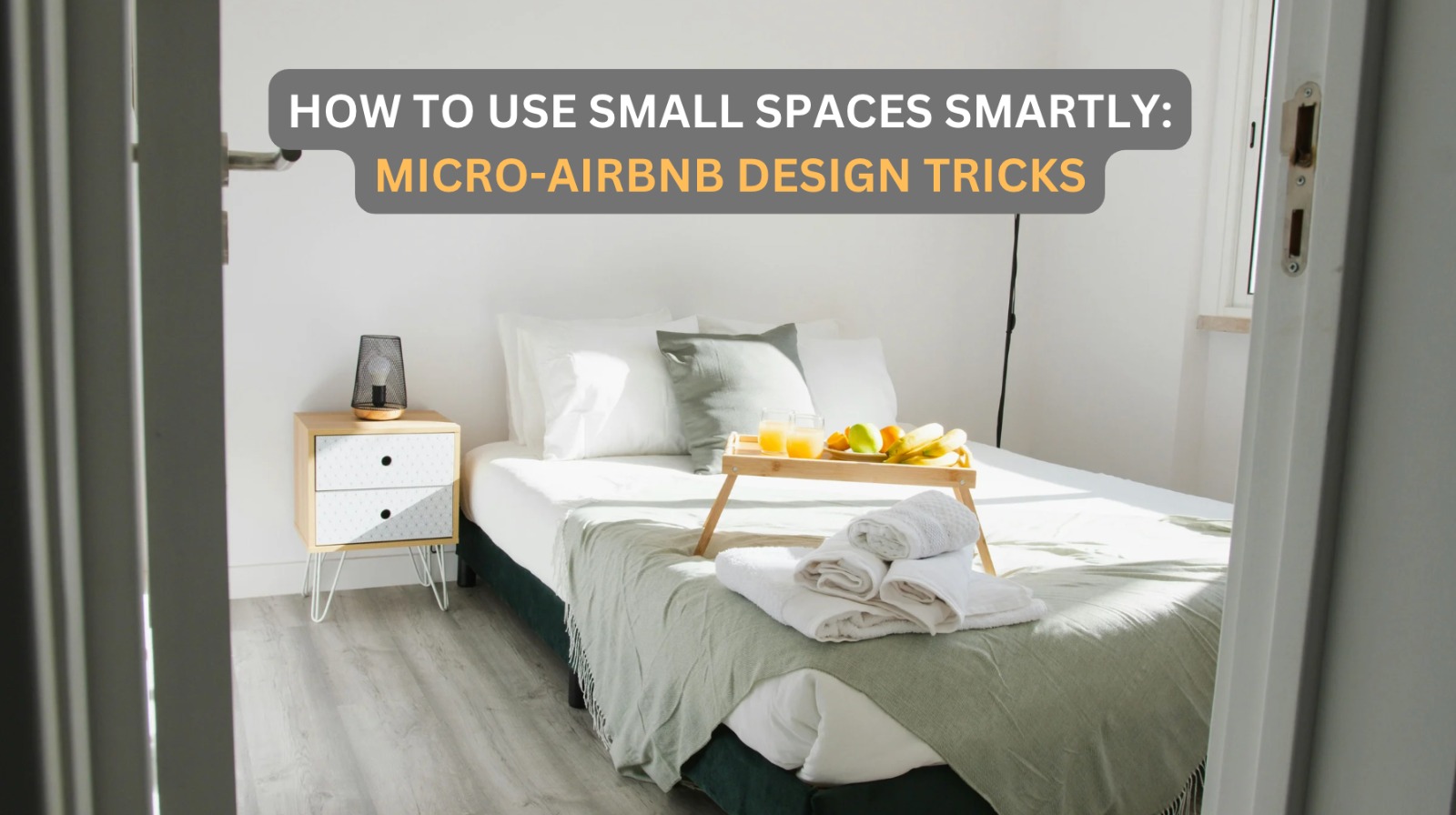
Not every profitable Airbnb is large. In fact, some of the highest-performing listings are compact studios, one-bedroom apartments, or even single rooms that simply work well.
Small spaces don’t fail because of size. They fail because of poor planning.
When designed intentionally, micro-Airbnbs feel efficient, comfortable, and surprisingly spacious. When designed poorly, they feel cramped, cluttered, and stressful even if they’re clean.
Here’s how smart hosts turn small spaces into strong performers using design choices that prioritise clarity over decoration.


Think in Zones, Not Rooms
In a small Airbnb, space can’t be wasted on rigid room divisions.
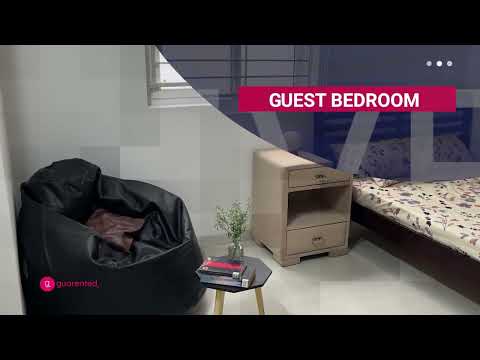
Instead of thinking “living room” or “bedroom,” think in functional zones:
Sleeping
Sitting
Working
Eating
Storage
Clear zoning helps guests understand how to use the space without instructions. Even a studio feels organised when each zone is visually defined.
Use rugs, lighting, or furniture placement to separate zones without adding walls.
Choose Furniture That Earns Its Place
Every item in a micro-Airbnb must justify itself.
Avoid oversized furniture. A bulky sofa or bed frame can dominate the entire room and limit movement.
Opt for:
Slim-profile sofas
Beds with storage
Foldable or extendable tables
Stackable chairs
Furniture that does more than one job saves space and improves usability without sacrificing comfort.
Keep Walkways Clear at All Costs
Guests feel cramped not because of square footage, but because of blocked movement.
Ensure:
Clear paths between doorways
Enough space to open suitcases
Easy access to switches and sockets
If guests have to navigate around furniture, the space immediately feels smaller—even if it isn’t.
Use Vertical Space Thoughtfully
Small spaces demand upward thinking.
Wall-mounted shelves, floating desks, and tall storage units free up floor space while increasing functionality.
However, avoid overcrowding walls. Too many shelves create visual clutter and make rooms feel busy.
Vertical storage should feel intentional not improvised.
Mirrors Are Your Best Visual Tool
Mirrors are one of the most effective tricks for small Airbnbs.
Placed correctly, they:
Reflect natural light
Create depth
Make spaces feel larger
A large mirror opposite a window or light source can double perceived space without any structural changes.
Stick to Light, Neutral Colours
Dark colours shrink spaces. Light colours expand them.
Neutral tones off-whites, soft greys, pale beiges reflect light better and create a sense of openness.
This doesn’t mean the space has to feel boring. Texture, fabric, and subtle accents add warmth without visual noise.
Minimise Décor, Maximise Function
In micro-Airbnbs, décor should never interfere with usability.
Avoid:
Large decorative items
Excess cushions
Floor-standing accessories
Choose a few functional accents instead:
A table lamp
A simple plant
One framed artwork
Less décor allows the space to breathe.
Lighting Makes or Breaks Small Spaces
Small spaces suffer most from poor lighting.
Relying only on ceiling lights creates harsh shadows and makes rooms feel tight.
Layer lighting with:
Bedside lamps
Wall-mounted lights
Task lighting
Soft, warm lighting expands perceived space and improves comfort instantly.
Hide Storage Wherever Possible
Clutter destroys small spaces faster than anything else.
Use:
Under-bed storage
Ottoman seating with storage
Closed cabinets instead of open shelves
The goal is to give guests places to put their belongings so surfaces stay clear.
Design for Short Stays, Not Long Habits
Micro-Airbnbs don’t need to support every possible lifestyle.
Guests don’t expect full wardrobes, elaborate kitchens, or large dining areas. They want:
A comfortable bed
A functional bathroom
A place to sit and work
Easy storage for essentials
Designing for realistic guest behaviour prevents overfurnishing.
Final Thoughts
Small Airbnbs succeed when design decisions are intentional, restrained, and guest-focused.
Smart design doesn’t try to hide the size it works with it. When every element serves a clear purpose, guests stop thinking about space altogether.
In micro-Airbnbs, clarity creates comfort. And comfort leads to better reviews, higher occupancy, and repeat bookings.