


- Select City


Share:



Remote work has changed the way people travel and choose accommodation. Instead of staying in hotels for just a few nights, many professionals now travel while continuing their work online. These remote workers often look for places where they can stay comfortably for a few days, weeks, or even months while maintaining their daily work routine.
For Airbnb hosts, this shift has created a new type of guest with very specific needs. Remote workers are not just looking for a place to sleep; they want a space where they can live and work productively. Properties that meet these expectations often attract longer bookings and more consistent occupancy.
Designing an Airbnb with remote workers in mind does not necessarily require expensive upgrades. Instead, it involves creating a practical, comfortable environment that supports both work and relaxation.


A Dedicated Work Area
One of the most important features for remote workers is a proper workspace. Many listings claim to be “work-friendly,” but guests often find that the only option is a dining table or a small coffee table.
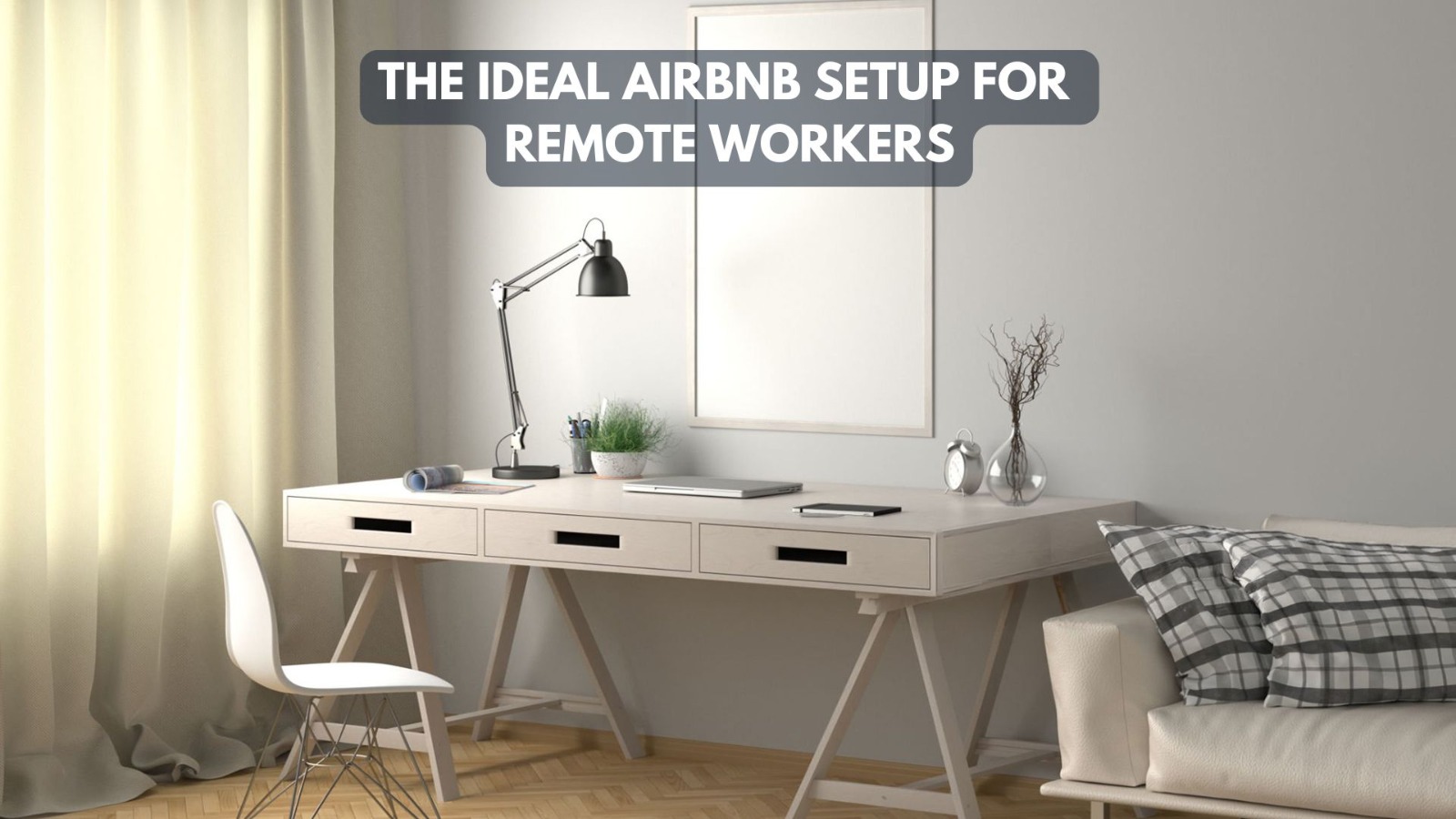
A simple desk and a comfortable chair can make a significant difference. The desk should be large enough for a laptop and a few work essentials, while the chair should provide adequate support for longer working hours.
Positioning the desk near natural light can also improve the work experience. Good lighting reduces eye strain and makes the space feel more inviting.
Reliable High-Speed Internet
Internet connectivity is essential for remote workers. Slow or unstable Wi-Fi can immediately turn a pleasant stay into a frustrating one.
Hosts who want to attract remote professionals should ensure that the property has high-speed internet capable of supporting video calls, large file uploads, and multiple connected devices.
It is also helpful to clearly mention the internet speed in the Airbnb listing description. Guests often check this detail before booking, especially if they plan to work from the property.
Comfortable Seating Beyond the Workspace
While a desk is important for focused work, remote workers also spend time relaxing or working casually from different areas of the home.
A comfortable sofa or lounge chair can create a secondary workspace for reading, answering emails, or taking short breaks. This flexibility allows guests to change their environment throughout the day, which many people find helpful when working remotely.
Quiet and Distraction-Free Environment
Noise levels can strongly influence a remote worker’s experience. Properties located near busy roads, construction sites, or loud nightlife areas may not be ideal for guests who need quiet spaces for meetings and focused work. While hosts cannot always control the surrounding environment, they can improve the indoor experience.
Simple additions like thicker curtains, rugs, and soft furnishings can help reduce noise inside the property. These small adjustments can make the space feel calmer and more comfortable.
Adequate Lighting Throughout the Property
Lighting is often overlooked when setting up an Airbnb. However, remote workers spend many hours inside the property, and poor lighting can affect productivity and comfort.
A combination of natural light during the day and warm artificial lighting in the evening creates a balanced environment. Desk lamps, floor lamps, and bedside lights provide flexibility for different activities.
Well-lit spaces also improve the quality of listing photos, which can attract more bookings.
Convenient Power Access
Remote workers rely on multiple devices, including laptops, phones, tablets, and sometimes external monitors. Providing enough power outlets near the desk and bed can make a big difference. Extension boards or multi-plug adapters can also be useful additions.
Guests often notice when charging options are limited, especially if they need to move furniture just to plug in their devices.
Comfortable Bedroom Setup
Productivity is closely linked to rest. After a long day of work, remote workers need a comfortable place to relax and sleep.
A good mattress, clean bedding, and supportive pillows help guests maintain their routine and wake up refreshed. Blackout curtains can also improve sleep quality, particularly for guests adjusting to different time zones. A restful bedroom contributes to better reviews and longer stays.
Functional Kitchen Space
Remote workers often stay longer than typical short-term guests, which means they are more likely to cook their own meals.
A functional kitchen with basic cookware, utensils, and appliances can make the property feel more like a home. Even simple features such as a microwave, electric kettle, or coffee maker can add convenience.
Guests who feel comfortable preparing their meals are more likely to extend their stay.
Reliable Climate Control
Temperature comfort plays a big role in productivity. If a property becomes too hot or too cold during working hours, it can affect concentration.
Air conditioning, fans, or heaters should work properly depending on the local climate. Providing clear instructions for using these systems can also prevent confusion.
Maintaining a comfortable indoor temperature helps create a more pleasant working environment.
Good Connectivity to the City
Location also matters for remote workers. While they may spend many hours inside the property, they still appreciate easy access to cafes, grocery stores, and public transport.
Being close to co-working spaces, parks, or restaurants can make the stay more enjoyable. Guests often explore the neighborhood during breaks or after finishing their workday.
Mentioning nearby conveniences in the listing description can help remote workers understand what the area offers.
Longer Stay Incentives
Many remote workers prefer staying in one place for several weeks rather than constantly moving between accommodations.
Offering weekly or monthly discounts can attract these longer bookings. From a host’s perspective, longer stays reduce the number of check-ins, cleanings, and vacant days between guests. This arrangement often benefits both the host and the guest.
Conclusion
As remote work continues to grow, the demand for work-friendly accommodations is likely to increase. Airbnb hosts who understand the needs of remote professionals can position their properties to attract this segment of travelers.
Creating an ideal setup does not require luxury interiors or expensive renovations. Instead, the focus should be on practical features such as reliable internet, comfortable workspaces, good lighting, and a quiet environment.
When guests can work efficiently and relax comfortably in the same space, they are more likely to stay longer, leave positive reviews, and recommend the property to other remote workers.